

A Solo 401(k) is much more than just a retirement account—it’s a powerful wealth-building and tax-efficiency tool designed specifically for self-employed individuals and owner-only businesses (including those with a working spouse).
One of the most common questions we hear is:
Watch: Larn why the solo 401k is the ultimate retirement account for building real retirement wealth
“How does a Solo 401(k) actually make money?”
The answer is simple but powerful: through smart investing, tax advantages, and compounding growth. Below, we break down the primary ways a Solo 401(k) grows and builds long-term retirement wealth.
1. Investment Growth Inside the Solo 401(k)

At its core, a Solo 401(k) makes money by investing your contributions.
A properly designed, self-directed Solo 401(k) allows you to invest in a wide range of assets, including:
-
Stocks, ETFs, mutual funds, and bonds
-
Certificates of deposit (CDs)
-
Real estate (residential and commercial)
-
Private equity and private placements
-
Cryptocurrency
-
Precious metals (IRS-approved gold, silver, etc.)
This flexibility allows you to diversify your portfolio instead of putting all your eggs in one basket.
All earnings—such as capital gains, dividends, rental income, and interest—stay inside the Solo 401(k) and continue to compound year after year without current taxation.
Diversification helps manage risk while positioning your Solo 401(k) for long-term growth.
2. Tax Savings From Pre-Tax Contributions

Another major way a Solo 401(k) “makes money” is indirectly—by reducing taxes today.
When you make pre-tax employee or employer contributions, those contributions are deductible on your personal or business tax return (depending on how your business is taxed).
This means:
-
You keep more of your income working for you
-
The IRS effectively helps fund your retirement
-
Funds grow tax-deferred inside the plan
Instead of paying taxes upfront, you allow that money to compound inside the Solo 401(k) until retirement.
3. Roth Growth and the Mega Backdoor Roth Strategy

A Solo 401(k) can also generate tax-free growth through Roth strategies.
There are two primary ways Roth money enters a Solo 401(k):
Roth Employee Contributions
-
Contributions are made after tax
-
No immediate tax deduction
-
All future growth and qualified withdrawals are 100% tax-free
Voluntary After-Tax Contributions + Roth Conversion (Mega Backdoor Roth)
-
Make voluntary after-tax Solo 401(k) contributions
-
Convert those funds to a Roth Solo 401(k) or Roth IRA
-
Future investment growth becomes tax-free
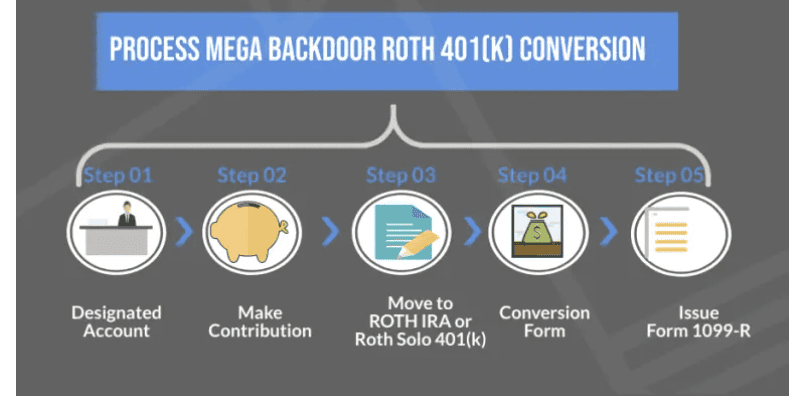
This strategy allows you to move significantly more money into Roth status than traditional Roth limits allow, accelerating long-term tax-free wealth.
4. Tax-Advantaged Compounding

Whether funds are pre-tax or Roth, the real power of a Solo 401(k) is compounding without annual tax drag.
-
Pre-tax funds grow tax-deferred
-
Roth funds grow tax-free
-
No yearly taxes eroding returns
Because taxes don’t reduce gains each year, more money stays invested and compounds faster over time compared to taxable accounts.
5. Why the Solo 401(k) Is Such a Powerful Wealth Tool

A Solo 401(k) makes money by combining:
-
Broad investment flexibility
-
Diversification across traditional and alternative assets
-
Immediate tax savings from pre-tax contributions
-
Long-term tax-free growth through Roth strategies
-
Accelerated compounding
For self-employed individuals looking to build serious retirement wealth, few tools are as powerful as a properly structured Solo 401(k).
Final Thoughts
Think of the Solo 401(k) as a tax-efficient investment engine—one that helps your money grow faster by minimizing taxes while maximizing flexibility and compounding.
When designed correctly, it’s not just a retirement account—it’s a cornerstone of advanced tax and wealth planning for business owners.